





Halloween guide 2025: History, traditions and fun facts
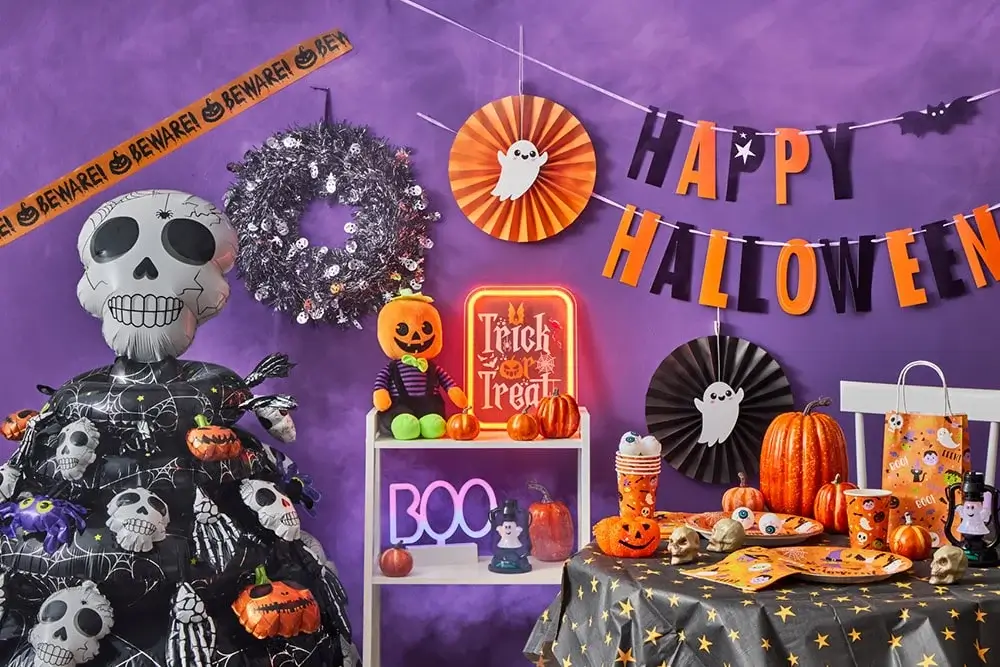
Every year on the 31st October, people all around the world celebrate Halloween. It’s a night filled with costumes, pumpkins and plenty of treats. But behind the spooky fun lies a fascinating mix of history, tradition and folklore that’s helped to shape the famous celebration we know today.
In this guide, we’ll explore what Halloween is and when it takes place. We’ll also uncover the origins of Halloween and why we celebrate it, look at the fascinating story behind trick-or-treating and its traditions, and share some fun and surprising Halloween facts you can enjoy this spooky season.
And, of course, if you’re getting ready to celebrate, don’t miss the brand-new cardfactory Halloween range that’s packed with decorations, costumes and more to make your night extra special.
What is Halloween?
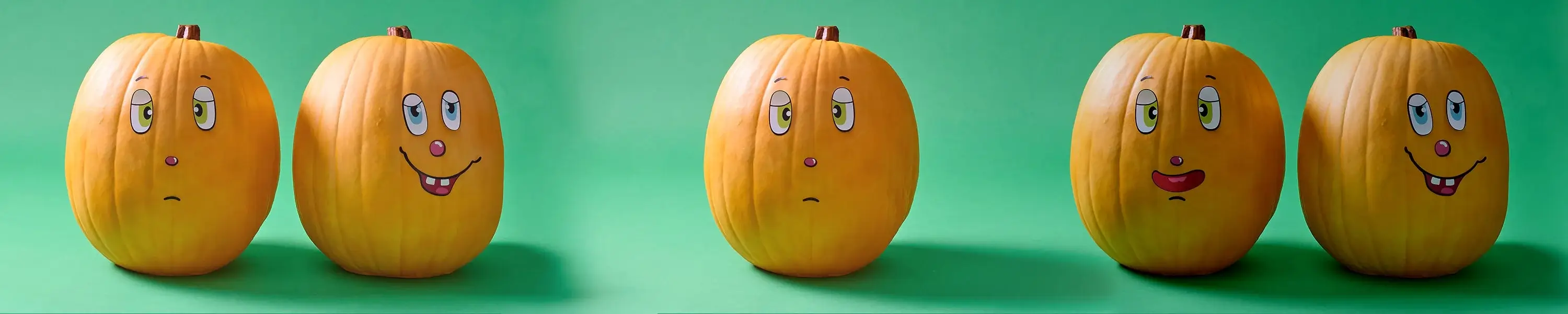
Halloween is a celebration that takes place every year on October 31st. At its heart, it’s all about getting together and embracing some spooky fun, whether that’s by dressing up, carving a pumpkin, going trick-or-treating or staying home and watching a scary movie.
While today’s Halloween is full of these modern traditions, it’s also rooted in centuries of history. It’s a blend of ancient Celtic customs, Christian influences and American twists that have spread across the world. The result? A unique and playful celebration that makes it one of the most loved seasonal events of the year.
What day will Halloween fall on in 2025?
In 2025, October 31st falls on a Friday, which is perfect for planning an entire weekend of parties, late-night trick-or-treating or movie marathons.
Where did Halloween originate?
The history of Halloween stretches back over 2,000 years to the Celtic festival of Samhain, which marked the end of harvest and the start of winter.
People believed this was a time when the boundary between the living and spirit worlds was thin, so they lit bonfires and left offerings to guide friendly souls and keep the evil ones away.
As Christianity spread, these traditions blended with new ones. All Saints’ Day (or All Hallows’ Day) on November 1st was created to honour saints and martyrs, while the night before - All Hallows’ Eve - kept its associations with wandering spirits.
Over time, All Hallows’ Eve became known as ‘Halloween’. Even if the reason why we celebrate Halloween today has evolved from these ancient origins, many traditions still carry the idea of guiding and honouring the dead.
From lanterns and candles to Mexico’s vibrant Día de los Muertos celebration, Halloween and similar festivals continue to bring people together to honour the past.
Why do we dress up for Halloween?
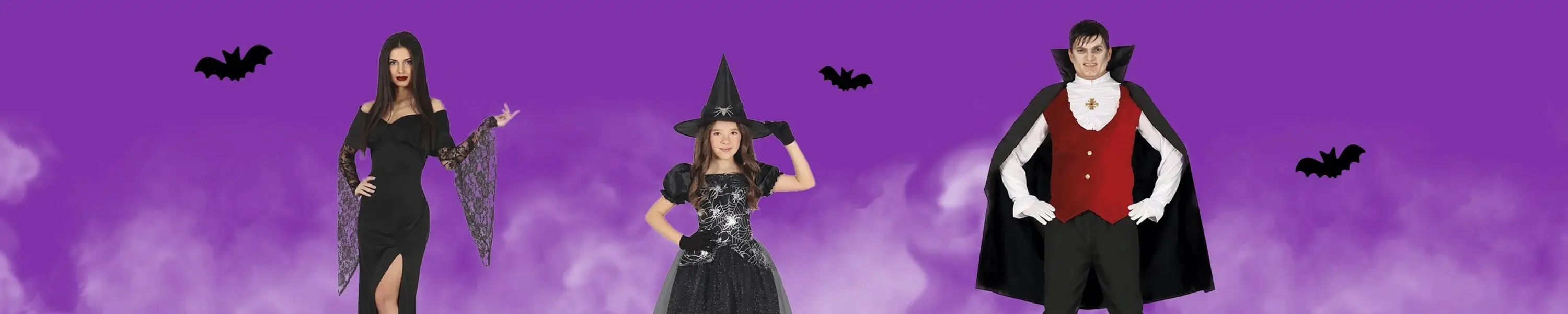
One of the most fun parts of the night is dressing up. But why do we dress up for Halloween in the first place? As with the tradition of lighting fires and lanterns, this practice also dates back to the ancient festival of Samhain.
The Celts wore disguises as they believed that it helped them to hide from any evil spirits wandering the earth. Over time, this evolved into children and adults dressing up in costumes for fun.
Today, costumes are a chance to get creative, whether you’re heading to a party or taking little ones out for trick-or-treating.
If you’re planning your outfit, don’t miss our Halloween fancy dress collection for fun, family-friendly ideas.
The history of trick-or-treating
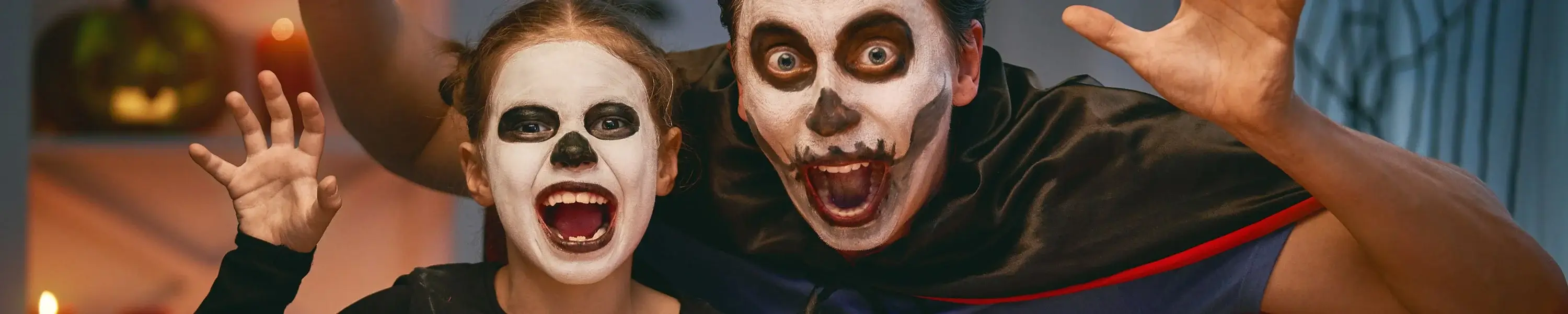
Getting dressed up in scary costumes and visiting your neighbours’ houses is one of the most popular Halloween customs, but where does trick-or-treating actually come from?
Trick-or-treating started with old Irish and Scottish customs known as “souling” and “guising”. Children would often go door-to-door offering prayers or songs in exchange for food. Modern trick-or-treating only became popular in the United States during the early 20th century, before the traditions spread worldwide.
Why do we say ‘trick or treat’?
Traditionally, trick-or-treating usually takes place just after sunset in the early evening. In the UK, daylight saving time typically ends around the time of Halloween, which means that it gets darker earlier (around 4-5pm).
Going at this time is perfect when you’ve got to get your kids home in time for early bedtime, but still means you’ll have a dark and spooky setting to enjoy.
Most people go trick-or-treating for around an hour or two, as this gives you a good chance to visit plenty of houses without walking around for too long in the cold.
Rules and traditions for trick-or-treating
It probably goes without saying, but trick-or-treating in the UK should be done respectfully and safely to ensure a fun experience for all. Here are some essential tips for enjoying your night:
- Look out for houses with decorations or lights on, as these are usually the ones welcoming visitors.
- Always be polite if someone doesn’t have treats or tells you they don’t celebrate Halloween.
- Stay safe by going in groups, and always ensure younger children are accompanied by an adult.
- If someone chooses “trick” instead of “treat”, respond with a lighthearted Halloween joke or a simple magic trick, and avoid anything messy like using fake blood to play a prank.
- Never vandalise property or cars with “tricks” like throwing eggs or loo roll, spraying silly string, or similar.
- Respect your neighbours by keeping the noise down when walking through residential areas.
- Remember not to be too greedy. Take just one sweet or treat if that’s what’s being offered, so there’s plenty to go around.
These simple trick-or-treating rules help keep the night safe, fun, and filled with treats for everyone.
Modern Halloween traditions
While trick-or-treating is a big part of Halloween, there are plenty of other fun ways to celebrate. Popular traditions for Halloween include:
- Carving pumpkins into spooky jack-o’-lanterns
- Making toffee apples or homemade Halloween treats
- Hosting themed parties with traditional games like apple bobbing
- Watching scary movies (or not-so-scary ones for the kids!)
- Visiting haunted houses, Halloween-themed events or other spooky attractions
Every family and community celebrates a little differently, but the joy of Halloween lies in bringing people together.
If you’re decorating your home for a party this year, check out our Halloween decorations which are perfect for creating scary scenes.
Fun Halloween facts
Looking for some conversation starters this spooky season? Here are a few quirky Halloween fun facts to impress your friends and family:
- The first known pumpkin lanterns were actually made from turnips in Ireland.
- The world record for the heaviest pumpkin is 2,749 pounds (1,246.9 kg), grown by Travis Gienger in the U.S. in 2023.
- The intense fear of Halloween is informally referred to as ‘Samhainophobia’, after the Celtic festival of Samhain.
- The traditional colours of Halloween are black and orange because black represents death and mourning, while orange represents the autumn harvest and changing leaves.
- In the UK, Halloween spending is huge - in 2024, Brits were expected to spend about £776 million on Halloween food, decorations, sweets, costumes, etc.
- A famous “ghost turnip” lantern from County Donegal (Ireland) was used around 1900 in local schools and is now preserved in the National Museum of Ireland.
These playful Halloween facts are a great reminder of just how big - and fun - the celebration has become over the years.
Halloween around the world
While Halloween is best known in the UK, Ireland, the US and Canada, lots of other countries have their own unique ways to celebrate at this time of year.
In Mexico, families mark Día de los Muertos with colourful displays, food and music to honour loved ones.
Over in Ireland and Scotland, the ancient festival of Samhain still inspires bonfires and costumes, while in the Philippines, children go door to door singing for the souls of the dead - a tradition known as Pangangaluluwa.
Even places without a strong Halloween history have joined the fun. In Japan, huge parades and costumes have become popular, while in Guatemala, families fly giant handmade kites to connect with ancestors.
Wherever you look, late October and early November are all about community, remembrance, and a little touch of spooky fun.
We hope you enjoyed learning all about Halloween!
From its ancient Celtic origins to today’s pumpkin carving, costumes, and trick-or-treating, Halloween has always been about community, creativity, and a little bit of spooky fun.
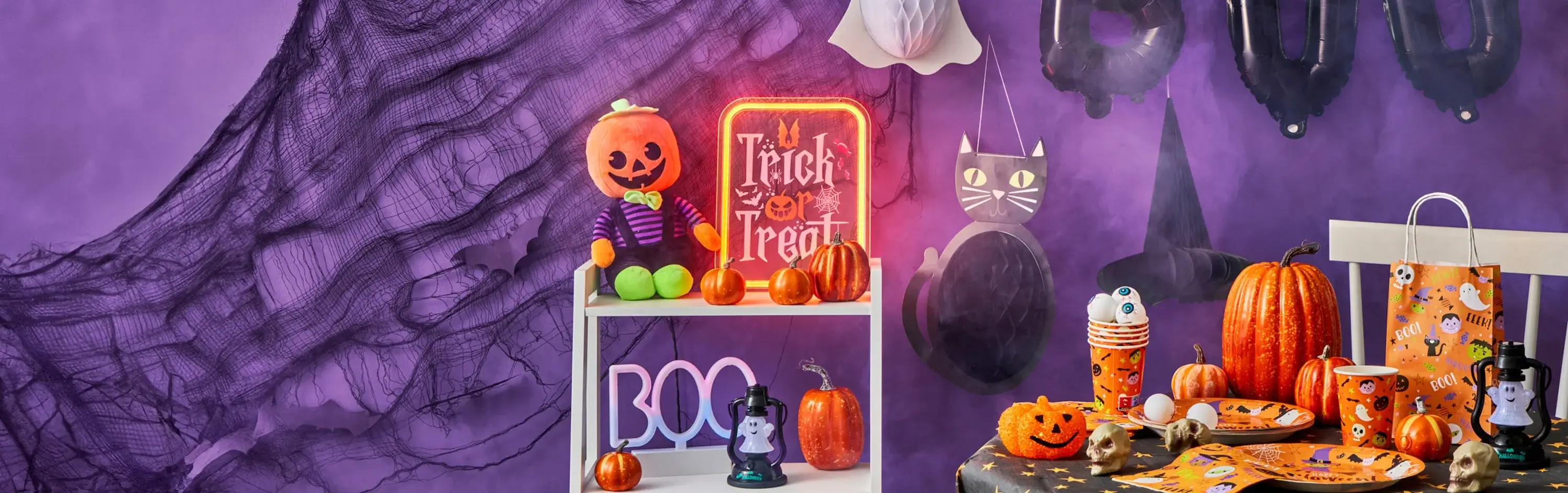
Don’t forget to check out the full cardfactory Halloween range for everything you need to make your 2025 Halloween one to remember.
Follow Us on Social Media